
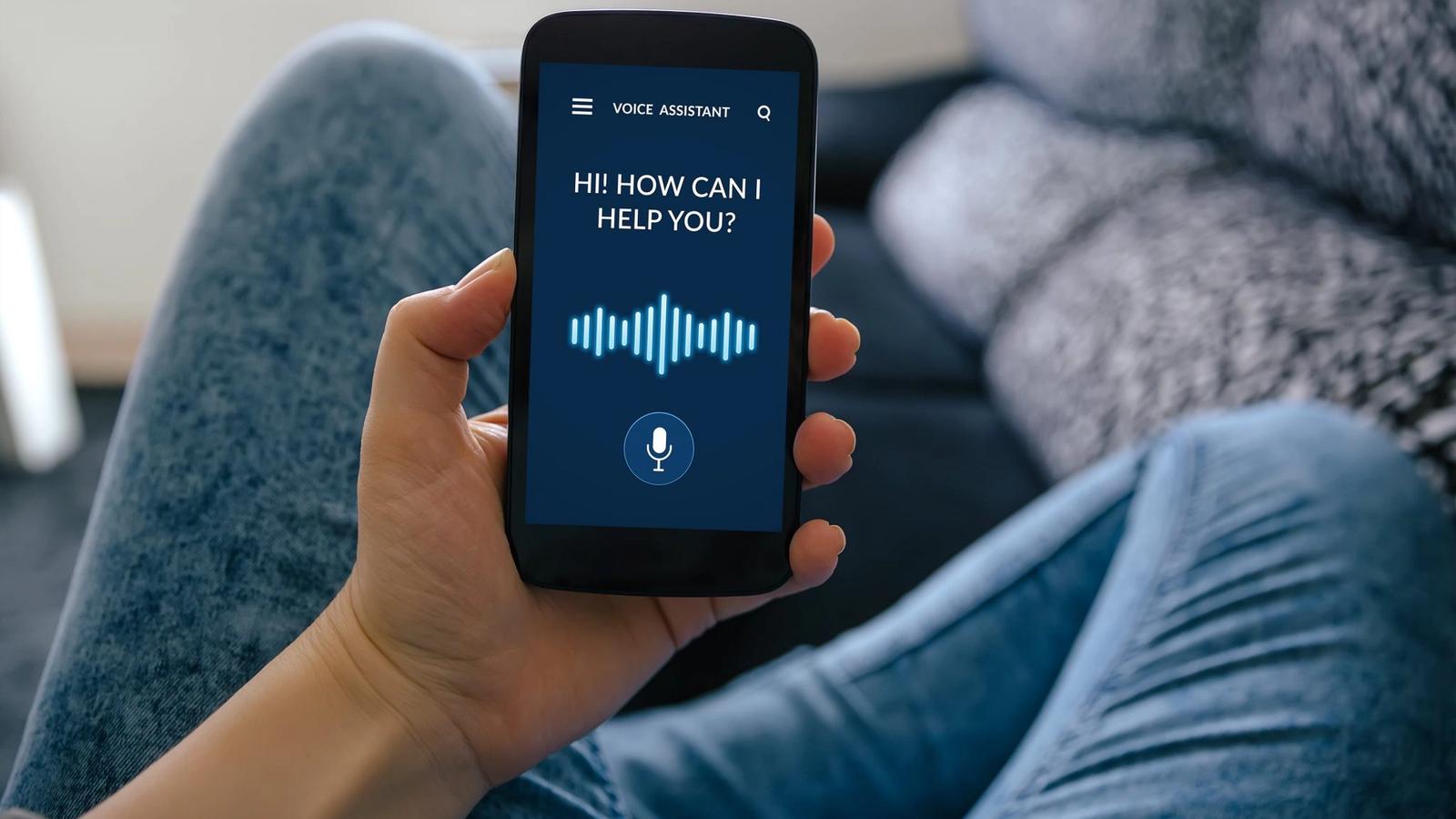
This allows as many people as possible to access and use technology, unrestricted by how each individual interacts with it.
Different people may require different alternatives to receive or transmit information. These needs can be permanent or temporary. They can affect the visual field (blindness, low vision, glaucoma, myopia, color blindness) or auditory field (deafness, otitis, language barriers); they can also include mobility alternatives or even considerations related to cognitive and neurological changes (autism spectrum, dyslexia, attention deficit disorders, anxiety, debilitating migraines). Notably among these is the cognitive decline we all experience due to natural aging (decrease in fine motor skills, vision, hearing, or memory changes).
One aspect that fosters accessibility is accessible design. Beyond that are more specific assistive technological developments, as well as those that promote the enhancement of human capabilities.
Every individual can be placed along a dial regarding our capabilities, finding ourselves in different positions on that multidimensional dial. From this perspective, all technologies tied to neuroaccessibility allow people to enhance their capabilities, regardless of their starting point. What these technologies do is shift us along that dial—including everyone without pigeonholing anyone.
Neurotechnology
Specifically, the concept of neuroaccessibility refers to the use of neurotechnology—that is, technologies aimed at extracting information from any possible channel of a person to establish a bidirectional communication interface. At this intersection of technology and accessibility, the goal is to extract brain signals (always voluntarily) and use them to send commands to a computer or eventually control external devices.
Applications of this technology encompass developments across various disciplines, ranging from brain-computer interfaces to neurobusiness, neuromarketing, neuroergonomics, and neurorehabilitation. This field also includes human enhancement practices such as cyborgs, prosthetics, exoskeletons, assistive devices, biochips, and wearables, among others.
For example, under the broad umbrella of neuroaccessibility, one key area of work is Brain-Computer Interfaces (BCI), a branch within assistive robotics. Its goal is to provide a communication alternative for people affected by neurodegenerative diseases, such as patients with ALS (amyotrophic lateral sclerosis). In this case, the idea is to extract signals coming from the central nervous system, process them, and use Artificial Intelligence (AI) and Machine Learning (ML) to decode the underlying information within those signals. These developments can be used to control a wheelchair, operate a computer, move an on-screen cursor, and more.
Assistive Technology
Technologies related to neuroaccessibility often feature various wearable components—devices worn on the body. This field is very popular within the maker culture, as the technology itself is accessible to anyone capable of creating it: costs are low, and the devices can be built and assembled independently. Currently, many people are working together in communities to develop devices that detect biosignals (signals from across the body, and specifically from the brain).
In the case of assistive technology, the field is currently in a research and development phase, and there is still some way to go before it can be applied universally. The core idea is to solve the challenge of transmitting information to execute a movement via an alternative channel when the primary route is damaged or unusable. The objective is to gather information from the person's brain and body to create a device that replaces, assists, and enhances their capabilities. Signal decoding in these cases is complex, requiring machine learning, artificial intelligence, and advanced signal processing.
At Baufest, we contribute to these developments so they can solve real-world problems and expand people's horizons.